
 By Admin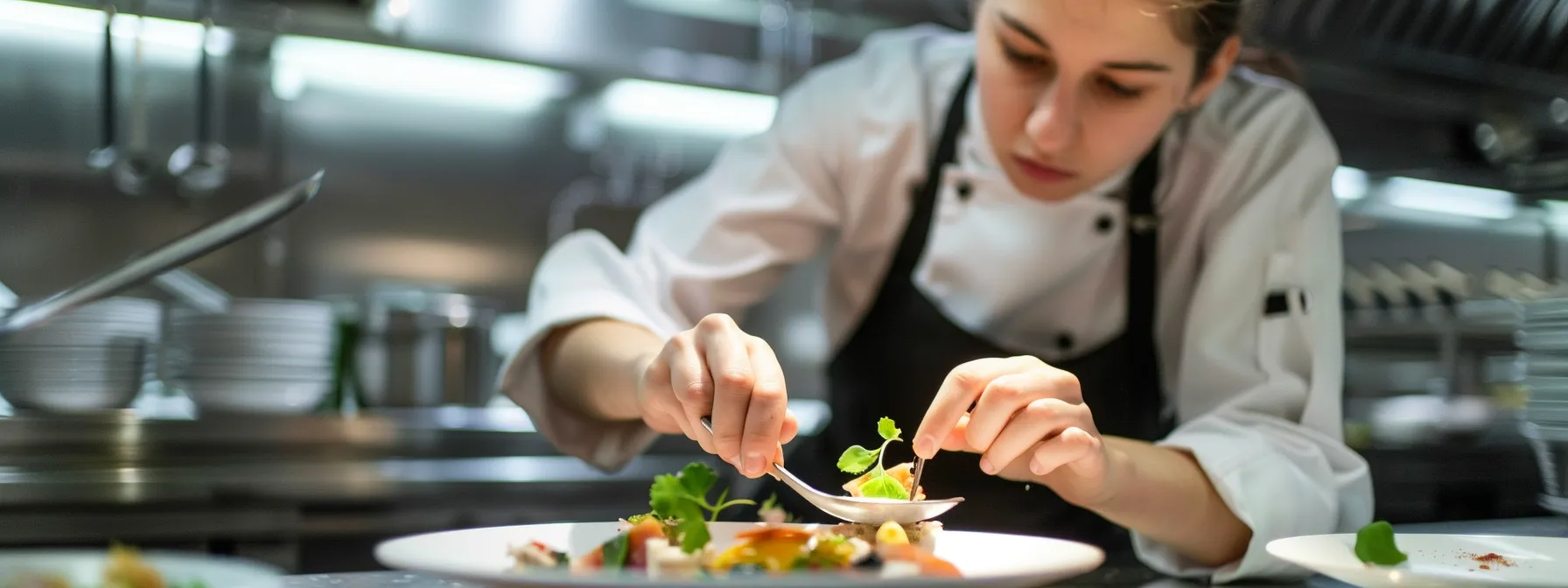
Elevating your culinary skills can be an exciting and enriching endeavor, whether you’re looking to spice up your home cooking or pondering a professional culinary career. Cooking classes offer a structured pathway to deepen your understanding of flavors, techniques, and global cuisines. They bring a hands-on approach to learning that caters to all levels, turning kitchen novices into confident home chefs. In this article, we explore the transformative journey of self-improvement through culinary education, shedding light on the many benefits that these classes offer.
From Theory to Practice: The Hands-On Experience of Cooking Workshops
The true essence of cooking lies in the doing, not just the studying. Cooking workshops emphasize hands-on experience, ensuring that students apply what they’ve learned in a practical setting. This kinesthetic approach solidifies cooking theories through actual practice, etching skills into muscle memory.
Participating in a cooking class NYC or elsewhere offers an immersive experience that books or videos simply cannot match. Students feel the heat of the stove, the texture of ingredients, and the pressure of timing, all of which contribute to a realistic culinary atmosphere. This dynamic environment better prepares them for real-life cooking, be it at home or in a professional context.
Workshops also provide the opportunity for experimentation, where students can play with flavor combinations and cooking styles. In a supportive and well-equipped environment, they’re free to be adventurous, learning from the tangible results of their creativity. It’s in these classes that many discover their unique culinary voice and style.
The Journey from Kitchen Newbie to Culinary Pro With Cooking Classes
The leap from being a beginner to becoming proficient in the kitchen is a rewarding quest, paved with numerous learning experiences. Cooking classes present the perfect backdrop for this transformation, where step-by-step guidance demystifies the art of cooking. Each session builds upon the last, gradually enhancing your ability to combine ingredients and create dishes with confidence and creativity.
It’s not just about following recipes; it’s an adventure in understanding food science, nutrition, and the sensory aspects of eating. With each dish prepared, students develop a palate for quality, learning to discern and adjust flavors to achieve balance and depth. Cooking classes provide a safe space for trial and error, allowing students to learn from their mistakes without the pressure of a real-world kitchen environment.
Real transformation occurs through consistent practice and exposure to different culinary styles. Culinary courses often include various cuisines, exposing students to a world of flavors and techniques. This diversity not only broadens culinary horizons but also instills a sense of adaptability in the kitchen, an essential skill for any aspiring chef.
The Role of Professional Guidance in Elevating Your Cooking Game

One of the most profound advantages of cooking classes is access to professional chefs who can provide personalized guidance and critique. These culinary experts bring a wealth of experience to the table, sharing tips and tricks that are often the product of years in professional kitchens. Students glean insights into not just ‘how’ but also ‘why’ certain methods work.
The interaction with instructors allows for instant feedback, a critical component of the learning process. With a keen eye, chefs can pinpoint areas where students may be struggling, offering advice that could take years to learn through self-teaching. This individual attention helps to correct bad habits and promote better techniques.
Furthermore, chefs can inspire students by showcasing the artistic side of cooking, proving that dishes can be as visually striking as they are flavorful. Through colorful presentations and plate styling, students expand their culinary vocabulary to include a host of decorative skills. These details often make the difference in a competitive culinary landscape.
The Social and Cultural Perks of Joining a Cooking Class Community
Cooking classes offer more than just culinary education; they serve as social platforms bringing together individuals with shared interests. The kitchen becomes a melting pot of cultures and personalities, fostering a community spirit that enriches the learning experience. As students collaborate on recipes and share meals, they build friendships that often extend beyond class hours.
There’s also a cultural exchange that takes place in these settings. Classes often attract a diverse group of enthusiasts, leading to the sharing of personal food stories and heritage recipes. This exchange deepens the understanding and appreciation of global culinary traditions, and possibly even influences the personal cooking style of the participants.
Altogether, cooking classes act as a catalyst for culinary growth, turning budding cooks into skilled artisans of the kitchen. They equip students with fundamental skills, offer professional expertise, and provide a practical, hands-on learning environment, all while fostering a vibrant community of like-minded food enthusiasts. By partaking in this educational journey, anyone has the potential to transform their passion for food into an art form truly worth savoring.