
 By Siam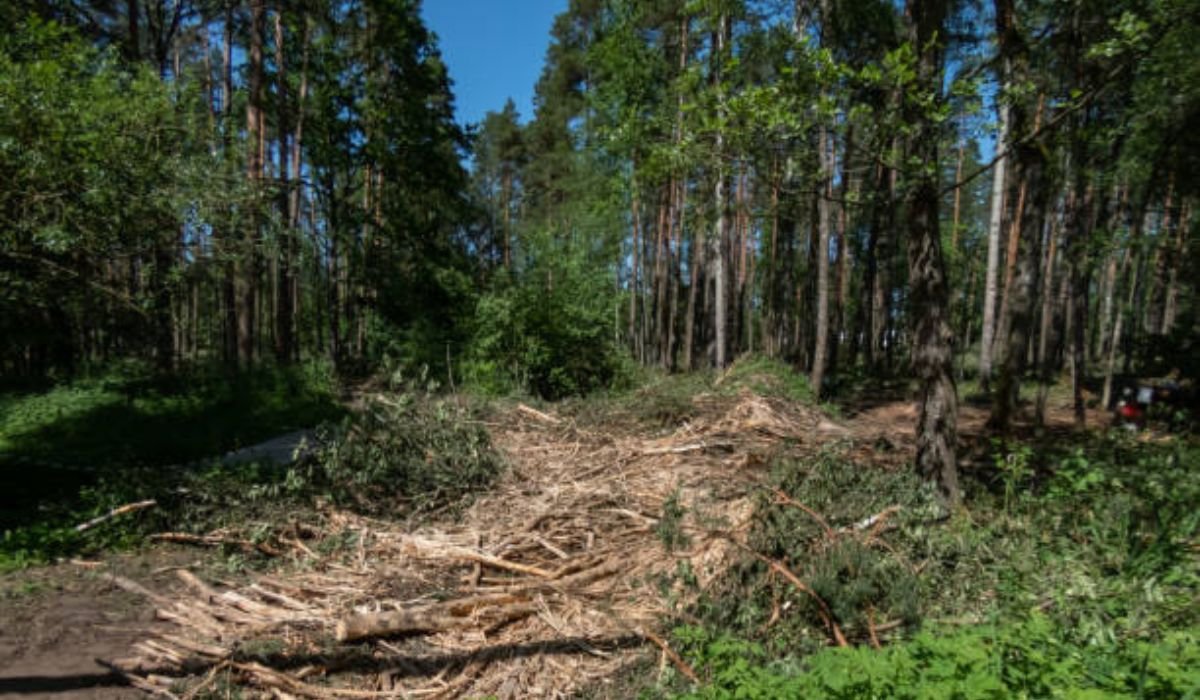
Key Takeaways
- Forestry mulching improves soil fertility and prevents erosion.
- It effectively manages invasive plant species without the use of chemicals.
- The process supports native vegetation and wildlife habitats.
- It lowers wildfire dangers by removing combustible underbrush.
- Forestry mulching is cost-effective and efficient compared to traditional methods.
Clearing and managing land is a complex process that requires balancing environmental health with practical use. Traditional techniques often involve heavy machinery, multiple steps, and can disturb soil and ecosystems. It’s essential to find methods that minimize damage when dealing with overgrowth, brush, and unwanted vegetation. These approaches enhance access and help preserve the natural balance for diverse plant and animal species.
One approach gaining attention is a streamlined process that grinds and recycles vegetation on-site, reducing debris while enriching the soil. Utilizing forestry mulching services enables efficient land clearing with minimal disruption, thereby creating habitats that benefit wildlife and promote healthy regrowth. This method provides a sustainable solution that supports both land management goals and ecological well-being.
Enhancing Soil Health and Preventing Erosion
Forestry mulching improves soil health by leaving a decomposing mulch layer that adds organic matter, boosts microbial activity, and helps prevent erosion, thus supporting healthy and nutrient-rich soil for plants.
Controlling Invasive Plant Species
Invasive species, such as honeysuckle and buckthorn, harm the ecological balance. Forestry mulching mechanically grinds these plants into mulch, slowing regrowth and aiding native flora. A trusted tree service in Indian Land can combine mulching with land management for safety and effectiveness. Unlike chemical herbicides, which risk contaminating groundwater and harming non-target species, mulching is a safe, chemical-free method that supports conservation and biodiversity.
Promoting Native Plant Growth and Wildlife Habitats
Forestry mulching clears brush to allow sunlight to reach the forest floor, promoting the growth of native grasses, wildflowers, and shrubs. This diverse plant life provides nourishment and habitat for wildlife, supporting thriving ecosystems. Roots remain intact during mulching, which aids regrowth and reduces habitat disturbance. The mulch conserves soil moisture, helping seedlings and native species establish.
Reducing Wildfire Risks
Accumulated underbrush and deadwood pose fire risks in many areas. Forestry mulching reduces this risk by breaking down flammable material into a low-profile mat, less likely to ignite or spread fire. It creates natural firebreaks and retains soil moisture, further lowering wildfire chances. As wildfires increase, proactive mulching is vital for responsible landowners.
Cost-Effectiveness and Efficiency
Forestry mulching offers clear time and cost advantages by using one machine to cut, grind, and spread vegetation. It removes the need for multiple tools, such as slashers, burnings, or debris clearing, which cuts labor and costs and speeds up land restoration.
Environmental Sustainability
Forestry mulching offers a low-impact, sustainable alternative to conventional clearing methods that can result in land stripping or pollution. It preserves topsoil, minimizes runoff, and supports long-term land productivity. By avoiding the use of harsh chemicals and maintaining natural organic processes, it fosters land regeneration and helps keep the area productive and lush.
Final Insights
Forestry mulching efficiently balances land management and ecological health. It controls invasive species, supports native growth, reduces wildfire risks, and enriches soil—offering a sustainable, cost-effective approach for long-term land stewardship.
YOU MAY ALSO LIKE: How Professional Tree Care Boosts Residential Curb Appeal